

Modern vehicles and heavy equipment rely on complex engines and components that must operate flawlessly under harsh conditions. Internal visual inspections are critical for preventive maintenance. Automotive borescope inspection allows mechanics to see inside engines, turbines, and machinery without disassembly, catching issues before they cause failures. A micro borescope (essentially a small-diameter engine inspection camera) is an indispensable vehicle inspection tool for this task. By inserting a tiny camera probe into spark plug holes, fuel injector ports, or other access points, technicians can spot wear, corrosion, cracks, leaks, or foreign debris deep inside machinery. This non-destructive inspection saves enormous time and cost: potential defects are identified early without tearing down entire engines, avoiding unnecessary repairs or catastrophic breakdowns. Regular borescope inspections help maximize equipment uptime and extend engine life by allowing timely maintenance interventions. In short, micro borescopes have become a must-have tool in automotive and heavy equipment maintenance for ensuring reliability and safety. Next, let’s look at the most common applications of automotive borescope inspection, from cars to trucks and more.
Common Automotive Use Cases (Cylinders, Valves, Turbochargers)
In the automotive industry, technicians use borescopes to examine all manner of hard-to-reach engine parts. Engine cylinders are a prime example. By snaking a flexible borescope through a spark plug hole or injector port, a mechanic can inspect cylinder walls, pistons, and crowns for scoring, carbon deposits, or damage without removing the head. Valves and valve seats can be examined for corrosion, pitting, or leaks (e.g. burned exhaust valves) by guiding a micro borescope into the intake or exhaust ports. This helps detect issues like improper sealing or carbon buildup that reduce performance. Turbochargers and other forced induction components are also commonly checked. A borescope can look at turbine blades for cracks or foreign object damage and inspect the turbo housing for oil leaks or deposits, all without dismantling the turbo from the engine.
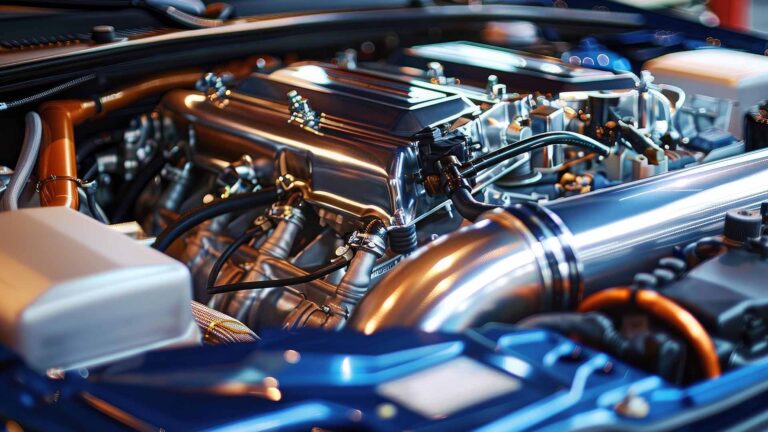
In fact, borescopes are so versatile that nearly any concealed space in a vehicle can be examined. Mechanics use them to trace hoses and fluid lines for blockages or leaks, inspect inside radiators or intercoolers, and even to look behind dashboard components. Essentially, an automotive borescope enables comprehensive visual diagnostics. It lets technicians see what’s happening internally and pinpoint problems that would otherwise remain hidden until a major failure. For example, routine borescope inspections can reveal symptoms like worn piston rings, cracked cylinder liners, or turbocharger imbalance, allowing those issues to be fixed proactively. By using these high-resolution inspection cameras, automotive repair teams can diagnose issues faster, avoid unnecessary engine teardowns, and confidently get vehicles back on the road with minimal downtime.
Heavy Equipment and Diesel Applications (Construction, Mining, Trucking)
Heavy-duty equipment in construction, mining, trucking, and agriculture often runs large diesel engines under punishing conditions. Here, micro borescopes are equally invaluable. Diesel engines operate at high pressure and temperature and tend to accumulate soot and deposits, making regular internal inspections crucial to prevent failures. Maintenance technicians use borescopes to routinely check critical diesel engine parts such as cylinders, pistons, fuel injectors, and valves on big rigs and machinery. By inserting a diesel borescope into a cylinder through the injector or glow plug opening, for instance, they can spot excessive carbon buildup, cylinder scoring, or coolant intrusion early on.
Likewise, inspecting injector nozzles and valve recesses via borescope helps ensure proper combustion and timing. In heavy equipment like bulldozers, excavators, and generators, borescope exams are often part of scheduled preventive maintenance. Fleets use them to monitor engine health without costly, time-consuming disassembly of these massive machines. This is critical because a single unseen problem (like a cracked turbo blade or a damaged valve in a haul truck’s engine) can lead to catastrophic failure and expensive downtime if not caught in time. Borescopes also assist in diagnosing on-site issues. For example, if an oil analysis or sensor reading suggests trouble in a mining truck’s engine, a technician can quickly insert a videoscope to inspect the cylinder interiors and find the root cause.

In short, for heavy equipment and diesel fleets, borescopes are a preventive maintenance powerhouse. They help avoid unplanned downtime by catching wear, corrosion, cracks, or foreign debris in engines before those issues cause breakdowns. Considering the immense cost of heavy equipment failure, the ability to proactively inspect internal engine components and address problems early is a huge advantage for fleet managers and maintenance teams.
Quality Control in Engine Manufacturing
Micro borescopes are not only used in field maintenance. They are also vital on the factory floor during engine manufacturing and assembly. Engine manufacturers and QA (Quality Assurance) teams employ borescopes as part of their non-destructive testing (NDT) processes to ensure every component meets standards before an engine is delivered. For instance, consider a complex engine block or cylinder head casting. It contains intricate internal passages for coolant and oil. A rigid or flexible borescope provides an easy, efficient way to inspect fine details deep inside these castings that the naked eye could never see.
Inspectors will use borescopes to look for casting defects such as burrs, voids, sand residue, flash, or surface finish irregularities inside channels and chambers. Detecting these hidden flaws is critical. A small casting sand deposit or metal burr left inside an engine block could later break loose and cause engine damage. By inserting a high-resolution borescope into an engine block’s oil galleries or water jackets, QA can verify they are clean and smooth, with no obstructions or leftover core material. Borescopes also help inspect welds and joints in engine assemblies to ensure proper penetration and alignment. If any defect is found, that part can be reworked or rejected before the engine is fully assembled, saving time and money.
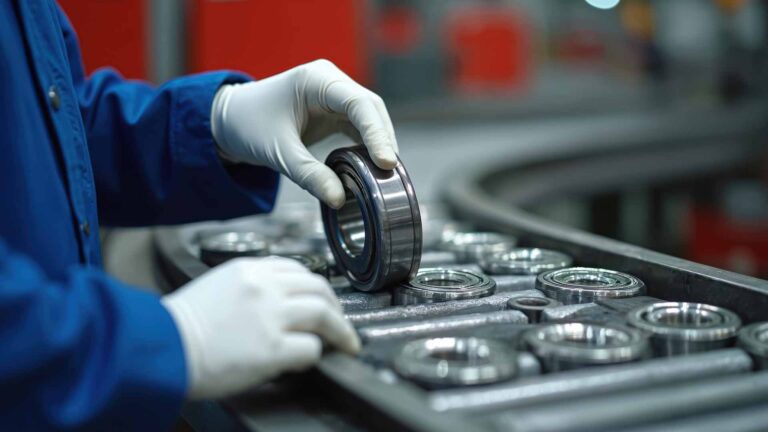
Additionally, borescopes are used to inspect finished engines during end-of-line testing. Manufacturers may borescope cylinders and valves of a test-run engine to check for any abnormal wear or assembly issues. This all means that borescopes play a key role in engine quality control. By enabling thorough internal inspections (without cutting or destroying parts), they help ensure that only flawless components make it into final products. The result is higher reliability for end customers and a reduction in costly warranty repairs. In summary, from inspecting raw castings to verifying assembly, micro borescopes empower engine manufacturers to maintain the highest quality standards through comprehensive internal inspections.
Choosing the Right Borescope for Your Inspection Needs
Not all borescopes are created equal. Automotive and heavy equipment professionals need tools with the right features to handle demanding inspection jobs. When evaluating an automotive borescope or heavy equipment borescope, keep the following key features in mind:
- High Image Clarity and Resolution: Engine inspections require spotting tiny defects such as hairline cracks, carbon deposits, or pitting in dark, cramped spaces. High-resolution optics and powerful, adjustable lighting are a must for clear visualization.
- Durability in Harsh Environments: Automotive and industrial inspections can be tough on equipment. Scopes may encounter hot engine parts, oil and chemicals, or rough handling in a workshop. Therefore, durability is essential.
- Small Probe Diameter and Sufficient Length: The borescope’s probe must be thin and long enough to reach the inspection area. Critical engine features can be very narrow. Zibra specializes in micro borescopes with ultra-small diameters.
- Reliable Service and Support: For professional users, a borescope is a long-term investment. Zibra provides responsive support including free evaluation of any scope issues and rapid repair or replacement service when needed.
Why Zibra Corp is a Trusted Partner
Zibra Corp has earned a reputation as a trusted partner for automotive and industrial professionals alike. Zibra designs, manufactures, and services all of its borescopes in the United States. All engineering and assembly takes place at their Massachusetts facility. Zibra’s product line is focused on cutting-edge, small-diameter scopes that deliver exceptional performance. These systems are engineered to capture clear, high-definition images inside the tiniest of spaces.
Zibra also provides custom engineering for unique inspection challenges. If a standard borescope doesn’t quite fit the application, Zibra’s team will collaborate to design a tailored solution. Over the years, Zibra has delivered hundreds of custom projects for clients with specialized needs. Additionally, Zibra’s experts are available to guide users in selecting the right scope and provide training on using the equipment effectively.

Ready to find the right scope for your application? Whether you need guidance choosing the best model, a custom configuration, or placing an order, our team will work with you to ensure you get the perfect solution for your inspection needs.