

Why Visual Inspection Matters in Casting & Machining
In manufacturing industries like foundries and machine shops, internal visual inspection is crucial for quality and safety. From engine blocks to turbine blades, critical components often have complex internal channels and hidden cavities. That’s why non-destructive testing (NDT) methods like remote visual inspection are essential. The micro borescope, which is essentially a small-diameter casting inspection borescope, has revolutionized quality assurance by allowing inspectors to see inside parts and catch tiny hidden defects that the naked eye would never find.
Industrial professionals in casting and machining have embraced micro borescopes as a go-to quality control inspection tool. Unlike destructive methods (cutting parts open) or expensive imaging (like industrial CT scans), a borescope provides a fast, cost-effective visual check of internal surfaces. Foundry QA teams use internal NDT for castings to spot issues like trapped sand or voids early, and CNC machinists inspect intersecting bores for hidden burrs or rough finishes that could impede performance.

In short, visual inspection via micro borescopes helps maintain high standards by catching defects that could otherwise slip through; while ensuring every casting or machined part is truly up to spec before it moves on.
Challenges of Inspecting Internal Features in Cast and Machined Parts
Performing a thorough inspection of internal features is inherently challenging. By design, castings and machined components often contain narrow passages, deep blind holes, and complex geometries that are impossible to examine with the naked eye.
One major challenge is simply accessing the area of interest. The openings to internal cavities are often just a few millimeters wide (or less), too small for any direct line-of-sight inspection. Common defect types include casting voids or porosity, internal cracks, sand residue from casting molds, machining burrs at cross-holes, incomplete drill breakthroughs, or weld penetration issues. These defects can be minuscule in size but have outsized consequences. For instance, a small burr or metal shaving left in a fuel passage could later dislodge and clog an injector, and a bit of core sand left inside a casting could circulate in an engine and damage bearings.
Another challenge is that internal inspection often must be done without damaging the part (hence NDT). The tool used needs to snake into tight spaces, often around bends or through multiple access points, and provide clear visualization. It’s not just about reaching the location, but also viewing from the right angle. For example, if two passages intersect at a right angle, inspecting the side passage requires a way to look sideways, not just straight ahead.
All these challenges underscore why a dedicated solution, the micro borescope, is so important for internal quality checks in casting and machining.
How Micro Borescopes Provide a Solution
Micro borescopes are specifically engineered to tackle those internal inspection challenges. In essence, a micro borescope is a small, tube-like camera or optical device that can be inserted into the tiny openings of a part to give eyes inside it. These devices serve as an industrial borescope for machined parts and castings alike, letting you examine areas that would otherwise be invisible.
Crucially, borescopes come in ultra-small diameters (often just a few millimeters, with some advanced fiberscopes under 1 mm) so they can access even the narrowest of openings.
Probe types: There are different types of borescopes to suit different applications. Rigid borescopes have a straight, inflexible probe ideal for examining straight-line holes or cavities. They offer excellent image clarity through lenses but obviously can’t bend around corners. In contrast, flexible borescopes (often fiber optic or video scopes) can snake through passages with bends and turns.
Additionally, micro borescopes provide their own illumination to light up the dark recesses of a part. Most industrial borescopes integrate high-intensity LED lights at the tip or transmit light via fiber optics from an external light source.
Modern videoscopes (video borescopes) also bring in digital features that enhance inspections. High-resolution miniature sensors can capture sharp imagery even in very tight spaces, and many systems allow you to record photos or video of the inspection for documentation. This means an inspector can save images of a casting’s internal passage or a weld seam and share it with the engineering team for further analysis or quality record-keeping.

But even at a basic level, a micro borescope’s combination of small size, maneuverability, illumination, and visual clarity provides an elegant solution to the previously intractable problem of internal inspection. It effectively serves as a “camera on a stick” that can go where human eyes and hands cannot, and it has become an indispensable tool for quality control in casting and machining operations.
Common Applications of Micro Borescopes in Manufacturing
Micro borescopes see widespread use anywhere internal features need inspection. Below are some common applications in casting and machining where these tools prove their value.
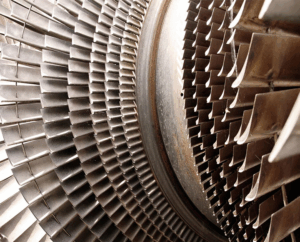
Turbine Castings and Engine Components:
Micro borescopes are essential for inspecting internal cooling holes and air passages in cast turbine blades and housings without destructive teardown. During manufacturing and maintenance, turbine inspection cameras help identify casting defects, blockages, or cracks that could compromise performance. In aerospace and energy sectors, this early detection ensures safety, efficiency, and compliance.
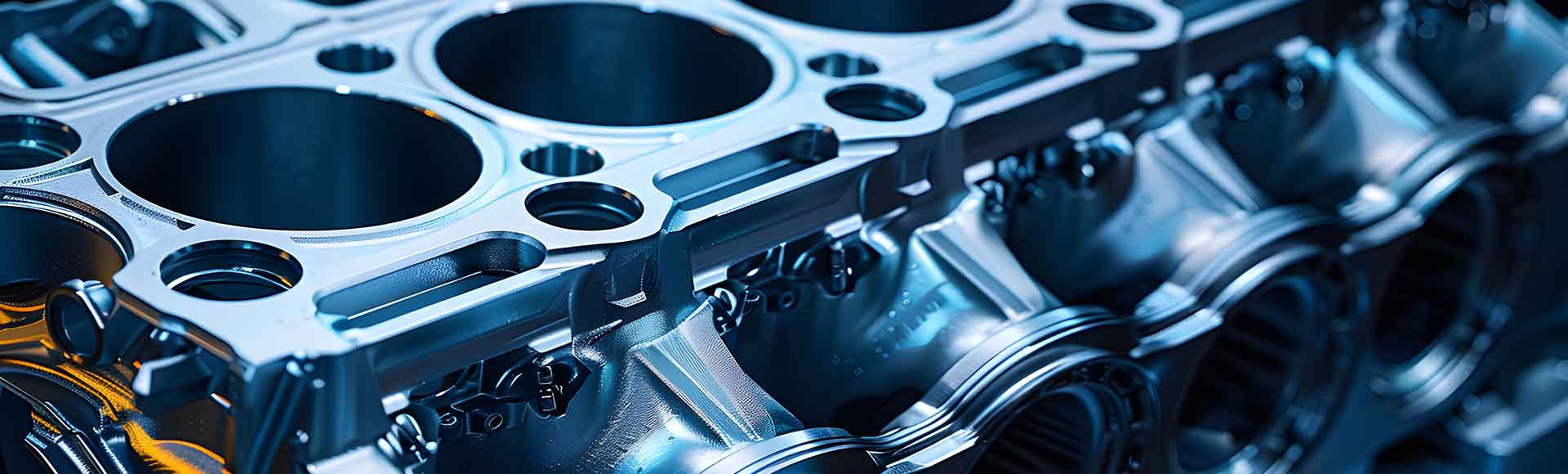
Engine Blocks and Cylinder Head Passages:
Automotive and diesel engine manufacturers use borescopes to inspect internal coolant and oil passages for casting defects, burrs, and trapped debris. Micro borescopes with side-view optics are ideal for checking intersecting drill holes and cross-bores for flow obstructions or machining issues. This quality check prevents future engine damage and ensures every casting is clean and assembly-ready.
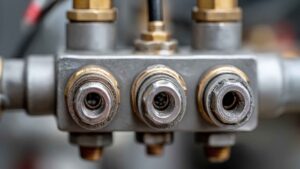
Hydraulic Manifolds, Valves, and Precision Machined Parts:
Industrial borescopes for machined parts help verify internal burr removal, surface finish, and cleanliness in precision components like valve bodies, fuel nozzles, and brake system manifolds. A high-resolution borescope can reveal flaws deep within small bores, reducing scrap and ensuring compliance with tight tolerances. This inspection step is critical in aerospace, hydraulic, and automotive machining workflows.
Foundry Quality Control for Castings:
Casting inspection borescopes allow foundries to detect voids, inclusions, or core shift inside complex cast parts before machining begins. By visually inspecting internal cavities of turbine housings, pump castings, or medical components, QA teams prevent flawed castings from reaching production. This non-destructive inspection reduces downstream rework and ensures internal quality matches external standards.
These examples only scratch the surface. Micro borescopes are also used in inspecting turbomachinery, aerospace structures, medical device tubing, and even ammunition or electronics manufacturing. The versatility of micro borescopes across casting and machining applications makes them a must-have tool in modern manufacturing quality control.
Weld and Surface Finish Inspection
In addition to cast and machined surfaces, micro borescopes play a vital role in inspecting welds and internal surface finishes; areas where visual quality is paramount but access is limited. A common scenario is checking the quality of orbital welds inside pipes or tubing. Borescopes excel as a weld inspection camera in such cases. An articulating videoscope can be snaked down a pipe and rotated to view the entire circumference of an internal weld seam. With a wide field-of-view forward lens, you might get an overall look, but as noted earlier, a straight-on view could miss subtle details due to lighting or angle. Thus, inspectors often use an angled or side-view tip to thoroughly evaluate every part of the weld bead.
A borescope allows QA technicians to visually assess internal surface finishes and look for anomalies like tool marks, scoring, or corrosion. Instead of relying solely on touch probes or pneumatic gauges (which give measurements but not a visual), the borescope can literally show what the surface looks like deep inside a part. Micro borescopes have revealed issues such as rough machining chatter in a gun-drilled hole or etching from an improper cleaning process; things that might not be detected until failure if not for a remote visual check. This extra level of scrutiny helps maintain consistency and quality, especially in high-performance components.
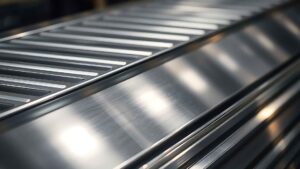
Whether it’s verifying the quality of an internal weld or ensuring a smooth finish in a precision bore, micro borescopes function as an expert weld inspection camera and general internal surface inspection tool. They give inspectors the confidence that every nook and cranny of a part meets the required quality standard, not just the externally visible areas. This capability is integral to comprehensive quality control, as it leaves no blind spots in the inspection process.

Why Zibra Borescopes are Ideal for Manufacturing Quality Assurance
When it comes to choosing the right borescope for casting and machining inspections, quality and reliability are paramount. Zibra Corp has positioned itself as a quality-driven alternative to low-cost scopes, and for good reason. All of Zibra’s industrial borescopes and videoscopes are engineered and built with manufacturing QA in mind, offering key advantages that set them apart from generic import scopes.
1. Ultra-Small Diameters & High Performance
Zibra’s micro borescopes feature diameters as small as 0.5 mm with high-definition optics—perfect for inspecting tiny cast or machined passages. The Milliscope line includes rigid, semi-rigid, and flexible scopes to match any geometry or inspection need. This image clarity and size flexibility ensures defects like burrs, blockages, or cracks are caught before parts reach assembly.
2. U.S.-Made Quality and Reliability
Zibra borescopes are engineered, machined, and assembled in Massachusetts under strict quality control, making them a reliable choice for regulated industries. Built for durability, these scopes withstand heat, oil, and vibration far better than cheap imports. Backed by 40+ years of optical expertise, Zibra delivers inspection tools that last; and that professionals trust.
3. Custom Engineering & Specialized Solutions
Zibra stands apart by offering custom borescope solutions tailored to unique inspection challenges in casting and machining. Whether it’s a 90° side-view probe, high-temp configuration, or ultra-thin lens for a complex part, Zibra’s in-house engineers design to spec. This ensures manufacturers get a purpose-built tool, not a compromise.
4. Comprehensive Support and Service
With all support and service handled in-house in the U.S., Zibra ensures fast, expert help when customers need it. From free repair evaluations to hands-on training, their team helps QA professionals maximize uptime and inspection accuracy. This responsive, OEM-backed support is a major advantage over generic overseas vendors.
Zibra Corp’s borescopes are built for professionals by delivering American-built precision, long-term reliability, and complete customization options. Having a trusted partner like Zibra ensures that internal inspections are thorough and dependable. Zibra’s focus on small-diameter scopes, U.S.-based quality, and engineering support makes them an ideal choice for manufacturers aiming to maintain the highest QA standards.

Ready to find the right scope for your application? Whether you need guidance choosing the best model, a custom configuration, or placing an order, our team will work with you to ensure you get the perfect solution for your inspection needs.